It has been over five years since we made Asian Fish in a Packet and questioned why such a recipe was featured in the vegetarian cookbook Moosewood Restaurant Cooks at Home, and we still have no answer. In fact this Moosewood Cookbook includes 13 fish recipes, and we tried another one last night - Caribbean Fish in a Packet (for those wondering if there are other "packet fish" the answer is yes: French, and Greek). The recipe is agnostic about what type of fish to use. It gives no further guidance than "2 5-or 6-ounce firm fish fillets or steaks, or 1 10-ounce fillet cut in half". We did the latter. James selected Mahi Mahi at the fishmonger because he remembered that I will almost always order it in a restaurant when given the opportunity.
In addition to the fish, into our "airtight" foil packs went:
tomato slices
green, red, and yellow bell pepper slices
olive oil
chopped scallions
fresh chopped parsley (recipe called for cilantro, we went with what we had)
fresh lime juice
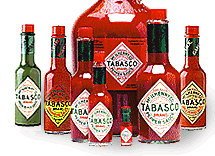
a few dashes of Tabasco sauce
a sprinkling of garlic salt
a dash of black pepper
The packages baked at 450 for 20 minutes. The fish turned out flaky and flavorful. We served rice on the side. Looking forward to trying the rest of the "vegetarian" fish recipes.
Showing posts sorted by relevance for query fish. Sort by date Show all posts
Showing posts sorted by relevance for query fish. Sort by date Show all posts
Friday, June 3, 2016

Saturday, December 3, 2011
Fish of Distinction

I was delighted that in addition to the recognition, I received a Boston-area prize with a family connection: a ceramic Gurgling Cod from the Boston jewelers Shreve, Crump & Low. The Shreves must be distant cousins on my mother's side, and a Sacred Cod, after all, adorns the chamber in the Massachusetts House of Representatives and our most prominent peninsula bears its name. Author Mark Kurlansky explains the importance of the fish -- particularly in our region -- in his brief and wonderfully geographic work Cod: A Biography of the Fish that Changed the World.
This is all by way of explaining why, when we arrived at Fresh Catch in Easton to select a couple fillets for this evening's dinner, I did not hesitate to suggest the fresh, wild-caught cod. Though it was not cheap, it was available, and though it once was a staple common as lobster, it is now relatively rare, something for a special occasion.
The special occasion was our first use of Bruce Carlson's Cooking Seafood and Poultry with Wine, a palm-sized delight that we picked up in the beautiful shop at Sakonnet Vineyards a few weeks ago, during our months-long transect of the Coastal Wine Trail. When Pam suggested that we actually use the book that has been bouncing around these past few weeks -- in keeping with the purpose of this blog -- I agreed, and we simply turned pages from the beginning until we saw something that looked feasible with moderate effort today. (As I wrote in July, I am still not altogether confident in my seafood cooking abilities.)
Poached fish on page 28 seemed just the thing for today, especially since a few of the ingredients were already on hand. The first step was to buy Chablis, which we had not purchased in years. The recipe calls for 3/4 cup of this or some other white table wine, but where a recipe mentions a specific wine, I usually try to find it. This was itself educational. Stopping by one of our favorite local shops -- Russo's -- we started to browse and were not seeing the Chablis. The clerk -- who I think knows me as a slightly-above-novice wine buyer offered to help us find what we were after, and could not suppress a grin when we asked for Chablis. He pointed to the section where the pedestrian wines are kept, the ones in bottles 1.5 liters and larger. Then I understood -- the large bottles, low prices. Since we've started getting more wine at places like Sakonnet and Westport Rivers, we had not spent much time with table wines, and we never really understood that the Chablis varietal in general is associated with these wines. Incidentally, it was a bit sweet and simple compared to local wines we've been drinking lately, but it was certainly a good accompaniment to this dinner.

Oh, yes, the dinner: After the shopping expedition -- saving on the wine and going to a budget grocery for many other items, so that splurging on the critical ingredient cod was not a budget-buster -- we set about preparing what turned out to be a marvelous fish. I finely diced a half of an onion we had on hand (the recipe calls for one small, which seemed close enough) and spread it on a couple layers of foil, which were in turn on a backing sheet. (The recipe calls for heavy-duty foil, but we used regular stuff, with a second layer just in case of leakage.) I then spread the two beautiful fillets over the onion, close together. The recipe suggests 1.5 pounds; I had about 1.8 pounds in the two fillets. Carlson suggests that if the fillets are very thin, they should be rolled up and held with toothpicks, but these wild cod were plenty thick.
Then I dotted a small amount of butter on the fillets and sprinkled on the remaining minced onion, some chopped parsley, ground black pepper and a little salt. Then, careful to form a package around all this with the foil, I poured 3/4 cup of Chablis over the fish, folded over the foil to make a cooking pouch. I then baked the whole assembly for 20 minutes at 375 (slightly faster, actually, in the convection oven). Then I started to prepare a very simple pasta dish -- fettuccine with a bit of olive oil and Parmesan.
As the baking of the fish neared completion, I prepared a roux of 3 T butter and 3 T flour. When I brought out the fish, I formed a spout of one end of the foil package (a bit of a trick, but if I can do it, anybody can) and poured the wine/fish liquid into the measuring cup. I then let the fish rest while I whisked the liquid into the roux. Then I added a half cup of light cream and over medium heat briskly whisked it until I had a fairly thick sauce, adding a few drops of lemon juice at the end. (Thankfully Pam helped with a lot of the preparation and handling, so that I could focus on the right heat and whisking for the sauce.)
The next tricky part was re-configuring the foil into a sort of box so that I could pour the sauce over the fish. I did not want the parsley and onion to be swashed over to one side, so I poured the sauce over an inverted spoon to keep it even. Then I sprinkled the whole thing with a generous portion of freshly-grated Parmesan (yes, Parmesan in the main course and the side dish) and placed it under the broiler for just 3-4 minutes. I am nervous about broiling and brought this out when it was not quite as browned as I might have liked, but the result was fabulous -- just a bit of golden caramelization on the top, rich creamy and flavorful fish in the middle, and just a bit of crunchy, pungent onion underneath. It went very well with the simple pasta, which did not need a real sauce of its own.
This recipe made enough for at least four people, and will definitely be in our "company's coming" repertoire from now on.

Saturday, March 11, 2017
Monger Simplicity
"What's char?" I asked, as I noticed something new in the Kyler's Catch fish counter. The young fishmonger's eyes lit up: "Delicious!" and "I'm not quite sure." She had been asking her manager about it, and could only recall that it is some sort of "cross" between a salmon and a trout. That did not sound quite right to her as she said it, but it seems to be not far from the truth. She could tell me that she had been enjoying a lot of it lately, and that customers to whom she had recommended it had come back happy.
As she handed me the wrapped fish, I asked how she prepares it. She said that the flavor is so good that she just uses a little salt and pepper. She said perhaps some minced garlic as well, but I decided to try the simplest option first. I even eschewed Old Bay, which I'm usually tempted to sprinkle on everything. I pan-fried the fillet in olive oil, skin-side down until mostly cooked through, and then turning it. The fish is quite delicate, and flaked apart somewhat as I did this.
Last night I looked up char on my phone, learning just enough to confirm that the monger's impression about the fish is generally correct. This morning I took a closer look online and found that Fish Choice describes char as "closely resembl[ing] salmon in appearance, but are closer genetically to lake trout." I also learned that its high fat content means that it is well-suited to broiling, baking, or smoking. I will be exploring these options in the near future.
I will also be exploring the Fish Choice web site, whose goals are similar to the Cod & Country cookbook we have cited on this blog several times. It is intended for the fish industry but is accessible to general readers, providing a good combination of ecological and culinary information.
For a simple, quick evening meal, this basic char was perfectly paired with some Aunt Annie's mac & cheese (made with cream instead of milk) and a nice bottle of, you guessed it, Malbec.
Finally, a word about fishmongers. We enjoy supporting local businesses whenever we can, especially those such as Kyler's that are mentoring young workers who take pride in learning their industry.
 |
| Image: Fish Choice |
Last night I looked up char on my phone, learning just enough to confirm that the monger's impression about the fish is generally correct. This morning I took a closer look online and found that Fish Choice describes char as "closely resembl[ing] salmon in appearance, but are closer genetically to lake trout." I also learned that its high fat content means that it is well-suited to broiling, baking, or smoking. I will be exploring these options in the near future.
I will also be exploring the Fish Choice web site, whose goals are similar to the Cod & Country cookbook we have cited on this blog several times. It is intended for the fish industry but is accessible to general readers, providing a good combination of ecological and culinary information.
For a simple, quick evening meal, this basic char was perfectly paired with some Aunt Annie's mac & cheese (made with cream instead of milk) and a nice bottle of, you guessed it, Malbec.
Finally, a word about fishmongers. We enjoy supporting local businesses whenever we can, especially those such as Kyler's that are mentoring young workers who take pride in learning their industry.
Tuesday, May 28, 2019
Avocado Fish
Looking for something interesting to prepare for dinner recently, Pam turned to Intercourses: An Aphrodisiac Cookbook -- a slender volume that rarely disappoints and that is mentioned about a dozen times throughout this blog. She found Grilled Red Snapper with Avocado Sauce, which reminded us of several other avocado-related successes we have had with the book.
Knowing that our local fishmonger would be unlikely to have red snapper, I checked for substitutions ahead of time, and settled on monkfish as my fill-in fillet. I was encouraged when a fellow customer at the fish counter spontaneously offered his praise of this particular fish.
The recipe calls for cold-marinating the fish in white wine for at least an hour, then brushing it with butter and grilling for 4-5 minutes per side. I was preparing this meal at Cloverfield (Bridgewater), where I do not usually prepare seafood since it is so far from the ocean and where more importantly, I no longer have a grill! The Big Green Egg I'm always going on about is at Whaling House (Fairhaven), almost within sight of the ocean.
All of which is to say that I did something that is often successful when a recipe calls for something to be grilled: I cooked it in butter over fairly high heat in our indispensable cast-iron skillet, seasoning it with paprika. I then removed the fish to a warm plate and followed the rest of the recipe, starting with the sauteeing of onions in the residual butter. I then whisked in flour and salt. Once the oniony roux was complete, I stirred in sour cream, horseradish, and diced avocado.
I know ... this sounds weird. Avocado does not belong in gravy. But Hopkins and Lockridge have led us to the enjoyment of stranger-sounding concoctions than this, so we plated this with optimism, and paired it with the same white wine I had used for the marinade. (Sorry, Dear Readers, I forgot to take note of the variety.)
The result: certainly better than it looks, but not as good as I had hoped. It seems there are a few reasons. I am terrible at buying avocados, and this one was a bit too firm. And it really seems likely that avocados do not belong in this sort of gravy. Grilling might really have brought out better flavor in the fish.
Lagniappe
Foolishly, I did not read the recipe introduction until after I had prepared the meal. Ironically, it makes the case for skipping the sauce entirely:
"This recipe can be prepared with other types of fish, but for my sake [not sure which author this is], please use red snapper. Red snapper takes me back to a beach in Puerto Escondido, an untouristy, beautiful stretch of sand, rocks, and waves on the Pacific side of southern Mexico. Sun-burned and tired, we stumbled onto this open-air restaurant on the quieter end of the beach. Each of us ordered the snapper -- it was prepared simply, just a whole fish grilled with lemon and cilantro. We were living a postcard that night with the palm trees and hammocks swaying around us, and the salty air brushing against our lips. All to say, you may borrow this memory as garnish for your grilled red snapper with avocado sauce."
Knowing that our local fishmonger would be unlikely to have red snapper, I checked for substitutions ahead of time, and settled on monkfish as my fill-in fillet. I was encouraged when a fellow customer at the fish counter spontaneously offered his praise of this particular fish.
The recipe calls for cold-marinating the fish in white wine for at least an hour, then brushing it with butter and grilling for 4-5 minutes per side. I was preparing this meal at Cloverfield (Bridgewater), where I do not usually prepare seafood since it is so far from the ocean and where more importantly, I no longer have a grill! The Big Green Egg I'm always going on about is at Whaling House (Fairhaven), almost within sight of the ocean.
All of which is to say that I did something that is often successful when a recipe calls for something to be grilled: I cooked it in butter over fairly high heat in our indispensable cast-iron skillet, seasoning it with paprika. I then removed the fish to a warm plate and followed the rest of the recipe, starting with the sauteeing of onions in the residual butter. I then whisked in flour and salt. Once the oniony roux was complete, I stirred in sour cream, horseradish, and diced avocado.
 |
| Before the sauce |
 |
| After the sauce. At least the lighting was nice. |
Lagniappe
Foolishly, I did not read the recipe introduction until after I had prepared the meal. Ironically, it makes the case for skipping the sauce entirely:
"This recipe can be prepared with other types of fish, but for my sake [not sure which author this is], please use red snapper. Red snapper takes me back to a beach in Puerto Escondido, an untouristy, beautiful stretch of sand, rocks, and waves on the Pacific side of southern Mexico. Sun-burned and tired, we stumbled onto this open-air restaurant on the quieter end of the beach. Each of us ordered the snapper -- it was prepared simply, just a whole fish grilled with lemon and cilantro. We were living a postcard that night with the palm trees and hammocks swaying around us, and the salty air brushing against our lips. All to say, you may borrow this memory as garnish for your grilled red snapper with avocado sauce."
Friday, October 12, 2012
Fresh Counts

Because we believe fish and meat should be eaten sparingly, we prefer to eat them -- especially fish -- less often but of really good quality. And since we have figured out how to care for fish (basically, concentrating on not drying it out), we use simple recipes that allow the quality of the fish itself to dominate.
Today Pam found a simple tuna-steak recipe on the Old Bay web site. We have been checking lately because a friend of ours does promotional work for this venerable company whose product is the national spice of Maryland. (Massachusetts might be the "Bay State," but the real Bay is the Chesapeake, as we all know).
As we've mentioned before, "fresh fish" equals "drive to Mansfield" in our house, where Fresh Catch, Inc. never fails to live up to its name. I did a few errands in the area (such as getting a PFD for my new whaling hobby), making the fish catch last so I could bring it right home to refrigeration.
When dinner time came, we combined 1/4 cup olive oil with a generous dollop of Old Bay (true Marylanders do not need to measure such things), some parsley from our garden, and the juice of two limes. I marinaded a large, fresh swordfish steak in this mixture, after piercing it a few times so that the flavor would permeate.
Then Pam began to cook potatoes from our farm box, giving just enough time for the flavors to meld. The recipe calls for use of a grill, which would have been nice in better weather, but I used our indispensable cast-iron skillet with a little bit of chipotle olive oil from our favorite oil and vinegar emporium (in Maryland, natch).
Cooking it for about 10 minutes over high heat with this simple preparation allowed the fish itself to dominate -- as tender and flavorful as it was nutritious. As I let the fish rest, Pam had mashed the potatoes with regional butter and local milk, and then remembered to retrieve the local cranberries I had prepared with decidedly non-local whiskey last week.
We very much enjoyed the meal with our home-made Chardonnay. We have recently decided, by the way, that although we very much enjoy our red wine, we are going to leave whites to our local experts.
Saturday, July 13, 2013
Really Red Fish
One advantage of my new rowing habit is that it has given us better access to fresh seafood. We remain fans of Fresh Catch, whose Mansfield store is a convenient source for both fresh seafood and quality meats. Being in the most active fishing harbor in the United States on a regular basis, however, means that we can have fish for dinner that may have been swimming under my boat earlier in the day.
Not literally, of course: by the time the boats come into the harbor, the fish are already on board, and only the harbor seals are likely to snack on those swimming under our whaleboats. Still, a geography student who grew up on the edge of the harbor has introduced me to two seafood markets -- Kyler's and Fisherman's -- where the fish practically swim up to the counter.
Before I went seafaring this morning, Pam browsed Barton Seaver's Cod and Country -- the bible of sustainable seafood and the inspiration for our Peppery Pairing post back in March. On page 153, she found Warm Poached Salmon in Red Wine Sauce, clearly a good reason to look for salmon when I arrived at Kyler's after my row. For some reason, the wild, red sockeye was the same price as farm-raised pink salmon, so I went with the "fishier" option. On careful reading later, I saw that Seaver recommended pink salmon, but I think he would still have favored the wild over the farm-raised.
The recipe calls for heating the oven, only to 200 degrees, and then heating a thinly sliced shallot and a couple of sprigs of thyme in two cups of red wine. The wine should not be generic "cooking" wine in his view, since the cooking -- especially with the dramatic reduction used in this recipe -- would accentuate any flaws. We considered our home-vinted Pinot Noir, but decided to go all in, and I chose a Beaujolais. Specifically, I got two bottles of 2011 Beaujolais-Villages from Louis Jadot (est. 1869), made in Beaujolais -- bien sur! -- from Gamay grapes.

The two bottles were distributed as follows -- one half of the first bottle for poaching and one half for the chefs (Pam made a wonderful salad that had really been in the field at Colchester hours earlier); the second bottle was served (by and to us) to accompany dinner and a movie. Even in more usual circumstances where we just a more modest amount of wine in the cooking, I recommend cooking with something that can be served proudly with the meal.
Seaver is very specific about the heating and poaching -- the liquid in the pan should be maintained at 170 degrees (which I did) and the salmon should be cooked in 12 minutes (which it was not). I eventually realized that the problem was my lack of attention to one detail. Seaver specifies the use of a saucepan barely big enough to hold the salmon. I had one large piece, cut in two, but only occupying about 2/3 of our large, indispensable cast-iron skillet. I should have used a smaller pan, so that the fish would be entirely in the steaming wine.
Eventually, then, the fish was cooked through, and I transferred it to a warm platter in the oven. Then I turned up the heat on the remaining wine and shallots, until the two cups was reduced to two tablespoons. (I was reminded of a Northern Exposure episode in which Maurice did something similar with beef, at great expense.) Once the wine was reduced, I removed the thyme sprig, and melted two tablespoons of butter into the sauce. I then poured this over the fish and served it with some fresh bread and Pam's wonderful salad and a slightly-chilled second bottle of Beaujolais. Because the tasting notes from Louis Jadot mentioned strawberry as a major part of the flavor profile, I put a few strawbs into the salad, to good effect.
Not literally, of course: by the time the boats come into the harbor, the fish are already on board, and only the harbor seals are likely to snack on those swimming under our whaleboats. Still, a geography student who grew up on the edge of the harbor has introduced me to two seafood markets -- Kyler's and Fisherman's -- where the fish practically swim up to the counter.
 |
| Sockeye image: AllTackle.com |
Before I went seafaring this morning, Pam browsed Barton Seaver's Cod and Country -- the bible of sustainable seafood and the inspiration for our Peppery Pairing post back in March. On page 153, she found Warm Poached Salmon in Red Wine Sauce, clearly a good reason to look for salmon when I arrived at Kyler's after my row. For some reason, the wild, red sockeye was the same price as farm-raised pink salmon, so I went with the "fishier" option. On careful reading later, I saw that Seaver recommended pink salmon, but I think he would still have favored the wild over the farm-raised.
The recipe calls for heating the oven, only to 200 degrees, and then heating a thinly sliced shallot and a couple of sprigs of thyme in two cups of red wine. The wine should not be generic "cooking" wine in his view, since the cooking -- especially with the dramatic reduction used in this recipe -- would accentuate any flaws. We considered our home-vinted Pinot Noir, but decided to go all in, and I chose a Beaujolais. Specifically, I got two bottles of 2011 Beaujolais-Villages from Louis Jadot (est. 1869), made in Beaujolais -- bien sur! -- from Gamay grapes.

The two bottles were distributed as follows -- one half of the first bottle for poaching and one half for the chefs (Pam made a wonderful salad that had really been in the field at Colchester hours earlier); the second bottle was served (by and to us) to accompany dinner and a movie. Even in more usual circumstances where we just a more modest amount of wine in the cooking, I recommend cooking with something that can be served proudly with the meal.
Seaver is very specific about the heating and poaching -- the liquid in the pan should be maintained at 170 degrees (which I did) and the salmon should be cooked in 12 minutes (which it was not). I eventually realized that the problem was my lack of attention to one detail. Seaver specifies the use of a saucepan barely big enough to hold the salmon. I had one large piece, cut in two, but only occupying about 2/3 of our large, indispensable cast-iron skillet. I should have used a smaller pan, so that the fish would be entirely in the steaming wine.
Eventually, then, the fish was cooked through, and I transferred it to a warm platter in the oven. Then I turned up the heat on the remaining wine and shallots, until the two cups was reduced to two tablespoons. (I was reminded of a Northern Exposure episode in which Maurice did something similar with beef, at great expense.) Once the wine was reduced, I removed the thyme sprig, and melted two tablespoons of butter into the sauce. I then poured this over the fish and served it with some fresh bread and Pam's wonderful salad and a slightly-chilled second bottle of Beaujolais. Because the tasting notes from Louis Jadot mentioned strawberry as a major part of the flavor profile, I put a few strawbs into the salad, to good effect.
Thursday, March 3, 2011
Fish is not a vegetable...
...so what is it doing in a Moosewood Cookbook? The Moosewood Cookbook, and its spinoffs - The Enchanted Broccoli Forest, Sundays at the Moosewood Restaunt, and The Moosewood Restaurant Cooks at Home among others, are classics of the vegetarian cooking genre. Fifteen years ago James bought me the Cooks at Home Cookbook before he left on a 3-month sojourn to the Amazon. Knowing that I did't like to cook just for myself, he selected it because it featured good meals that could be made in 30 minutes or less. Like the rest of the Moosewood series this is a vegetarian cookbook. There is not much of explanation in the book as to why fish recipes are included, except to say that some vegetarians will eat fish.
This week our family decided to eat what we had on hand,before doing more food shopping. I knew we had fish fillets in the freezer so we decided to find a fish recipe that incorporated ingredients we already had, or that we could easily substitute and selected Asian Fish in a Packet. Ingredients include:
Scallions - we substituted the rest of the baby onions we had left from our Julia Child recipe.
Garlic - good thing I still had some frozen cloves from the CSA farm box
Fresh Ginger- bought recently for another recipe
Dark Sesame Oil - I had light Sesame Oil, although I can't imagine why.
Bok Choi - There was probably some of this in the frozen mixed greens I still had from last summer's CSA farm box.
Soy Sauce - Worcestershire sauce was substituted
Rice - Always on hand at the H-B home.
The fish was layered on top of the cooked rice and greens, then a mixture of the rest of the ingredients was spread on top of each fillet and everything was wrapped into a foil packet, and cooked for 20 minutes at 450 in our new convection oven. These turned out perfectly. Delicious and tender. We opened a bottle of sparkling white wine to pair with this spicy meal.
Saturday, January 28, 2012
Sole Fish Recipe

Over the past decade, Nantucket has become a favorite -- though infrequent -- destination for us. Each time we visit the island (the only place in the U.S. where a county, town, and island are coterminous and cononymous), we enjoy perusing the shop at Bartlett's Ocean View Farm. At some point -- we remember not when or how -- we acquired the farm's cook book, which is a perfect example of the need for this blog project. We are nearly certain that we have never cooked any of its recipes.

Back home, I scanned the cook book shelf for a likely title, and noticed the word "ocean" in the Bartlett book. I should have noticed the cornucopian cover (all veggies) and the word "farm" instead. I use the word "sole" in the title of this post for three reasons, the first of which is that page 89 contains the sole recipe with "fish" in the title. (I did later see tuna -- grilled or canned -- as an ingredient in two tomato dishes that seem like good bets for next summer.)
The second reason for the use of the word "sole" is that the Fish au Gratin recipe calls for "flounder, sole, or scrod," and although all three were available at Fresh Catch, I chose the sole. ("Scrod" is a New England term that can mean "cod" or can mean "whatever fish we feel like serving today." By this definition, scrod is always an option!)
Cooking only for two, and wanting only the fresh dish, I purchased just a half pound, though the recipe calls for a pound and half. With the fish at 1/3 of the specified amount, I decided to cut the other ingredients, in order to have something a bit saucy! This worked out very well, actually, but I'll use the original quantities in this discussion.
I preheated the oven to 475F, placed the sole fillets in a baking dish, and sprinkled them with salt and pepper (recipe says white pepper for looks) and a half-cup of chopped fresh parsley. Then I melted 2T each of butter and lemon juice, in which I sauteed a half pound of sliced mushrooms. Adding a tablespoon of flour to thicken, I then added 1-1/2 cups heavy cream and a couple tablespoons of Vermouth. (OK, I did not exactly measure the vermouth -- I never do.)
After this thickened, I poured it over the fish, sprinkled a tablespoon of shredded Parmesan (again, I never measure this, and probably did a bit more than called for, but not more than required!) After it was already in the oven, I remembered to add finely-crushed breadcrumbs, which was a nice touch, and paprika. I baked for far less than the 20-25 minutes in the recipe, because these fillets were so thin.
This turned out delicious, accompanied by a big baked potato each. Actually, I saved a bit of potato for the next day, and since Pam was making herself a tuna sandwich, I accepted her offer to share so that I could make a tuna potato for my lunch! (This simple recipe is described on my geography of food page, at the bottom.)
Tuesday, July 12, 2011
Landlubber Arrives
I have been cooking for forty years -- starting with basics at home, then old-school home economics (at my old school), then years of experimentation, travel, and reading. After all that, I have a few definite areas of weakness. One is that I never cook anything with the moldy cheeses, because I will not eat them. The other is that even though I love seafood, I am generally intimidated by its preparation. I have been reluctant to overcome the combination of expensive, unfamiliar, easy to overcook but nasty (in my view) if undercooked.
These have been my excuses, plus, seafood is easy enough to find in restaurants or at our friend Rob's house. In fact, we have an annual Christmas Eve lobster feast in which my main chore is to drive for the lobster run and keep the beer stocked.
After 14 years as a New Englandah, though, it seems past time to embrace this culinary arena. The first thing was to decide, as I did a few years ago, that a variety of fish could be managed by the 10-minute rule, which is that cooking at medium-high temperatures, fish should not be cooked for more than 10 minutes per inch of thickness. This has worked out pretty well. A bit of trial and error has led to some success with a variety of fishes.
Recently we have gotten bit more adventurous, as a fish monger has been among the regulars at the weekly Bridgewater Farmers Market, just a short walk from our house. (We can feed our minds there, too, as our church has a book sale at the market each week. I recently found a fun coffee book there.) Having had mussels last weekend -- from the very same market -- prepared by the aforementioned Rob and his wife Lisa -- we decided we were ready to try it for ourselves, and picked up a two-pound net bag of the bivalves, along with two modest salmon steaks.
 For the mussels, actually, I hate to admit that it was not just the preparation that was a stretch for me. Even though I have been to Bertha's on several occasions -- THE Bertha's in Fell's Point, that is -- I had rarely consumed mussels. When I was a student visiting Bertha's, it seemed that the beer (including my first Anchor Steam) was priced more efficiently than the seafood. And after I could afford restaurant seafood, if I was in Maryland, I always defaulted to Callinectes sapidus.
Be that as it may, on Sunday I was ready to prepare the mussels, following as closely as we could the example Rob and Lisa had set the previous week. I sauteed some green onion tops and garlic, then added water and wine. The local grocery did not have vermouth, but rather than make a separate stop, I purchased some Sauvignon Blanc, pouring half of it in the pot and half of it in our glasses for a perfect pairing. I sprinkled cilantro over the whole lot, brought the broth to a boil and covered the pot. After 2-3 minutes, the mussels started to pop open, and they were indeed delicious. I think I was a bit impatient, though. Next time -- and there will be a next time -- I will give the critters another minute or so, because we ultimately discarded those few that did not open on their own.
For the wild salmon, we turned again to Moosewood Restaurant Cooks at Home, a standard in our home that Pam mentioned in her Fish is not a Vegetable post back in March. As with the previous seafood endeavor in this book, I used Worcestershire in place of soy in the creation of "teriyaki broiled or grilled fish." I whisked it together with ground ginger (we were out of ginger root, so this step was actually easier than the recipe suggested), sugar, minced garlic, and Japanese cooking wine (which we had on hand and substituted for the Chinese cooking wine). I simply marinated the salmon in this mixture and then pan-fried it for about five minutes -- with the pan covered. The result was succulent, sweet, and tart. The sauce mildly caramelized, so that this dish was actually quite amazing!
For both of these dishes, we had starchy sides -- rice and potatoes, respectively -- with beans for protein for our vegetarian daughter. Both meals were healthy, tasty, and satisfying. We cannot wait to see what the fishmonger has next time we are at the market!
These have been my excuses, plus, seafood is easy enough to find in restaurants or at our friend Rob's house. In fact, we have an annual Christmas Eve lobster feast in which my main chore is to drive for the lobster run and keep the beer stocked.
After 14 years as a New Englandah, though, it seems past time to embrace this culinary arena. The first thing was to decide, as I did a few years ago, that a variety of fish could be managed by the 10-minute rule, which is that cooking at medium-high temperatures, fish should not be cooked for more than 10 minutes per inch of thickness. This has worked out pretty well. A bit of trial and error has led to some success with a variety of fishes.
Recently we have gotten bit more adventurous, as a fish monger has been among the regulars at the weekly Bridgewater Farmers Market, just a short walk from our house. (We can feed our minds there, too, as our church has a book sale at the market each week. I recently found a fun coffee book there.) Having had mussels last weekend -- from the very same market -- prepared by the aforementioned Rob and his wife Lisa -- we decided we were ready to try it for ourselves, and picked up a two-pound net bag of the bivalves, along with two modest salmon steaks.

Be that as it may, on Sunday I was ready to prepare the mussels, following as closely as we could the example Rob and Lisa had set the previous week. I sauteed some green onion tops and garlic, then added water and wine. The local grocery did not have vermouth, but rather than make a separate stop, I purchased some Sauvignon Blanc, pouring half of it in the pot and half of it in our glasses for a perfect pairing. I sprinkled cilantro over the whole lot, brought the broth to a boil and covered the pot. After 2-3 minutes, the mussels started to pop open, and they were indeed delicious. I think I was a bit impatient, though. Next time -- and there will be a next time -- I will give the critters another minute or so, because we ultimately discarded those few that did not open on their own.
 |
| Image: Cornell Fish |
For both of these dishes, we had starchy sides -- rice and potatoes, respectively -- with beans for protein for our vegetarian daughter. Both meals were healthy, tasty, and satisfying. We cannot wait to see what the fishmonger has next time we are at the market!
Thursday, June 23, 2016
Simple Summer Fish
As we noted recently, our favorite vegetarian cook book -- Moosewood Restaurant Cooks at Home -- has a fish section. As with everything in this wonderful book, its fish recipes are simple. We are fortunate to have access to fresh, excellent seafood from Kyler's Catch; we like to prepare it in simple ways to bring out the great flavor.
This recipe begins with a simple marinade. I combined these in a shallow, non-metal dish, and spooned the mixture over the fish:
3 T orange juice
juice of one lemon
1 garlic clove, minced or pressed (I minced)
1 T olive oil
dash of Tabasco
While the fish marinaded briefly, I prepared the salsa:
3 ripe tomatoes, diced
4 scallions,
1 jalapeño, seeded and minced (can use any chile pepper or 1/4 t cayenne)
2 t grated orange peel
1 orange, sectioned, seeded, each section cut in half
2 T lemon juice
1/2 t cumin
1/2 t ground coriander
dash of salt
I broiled the fish (grilling would be good, too) and then topped with the salsa. Delish!
Sunday, October 25, 2020
Tarragon, Seafood Paragon
 |
| Photo from Tarragon, King of Herbs (by someone even more impressed by this herb than I am) |
When thinking of seafood options for the weekend (and into Monday, it turns out), I decided to go to Kyler's Catch with some specific recipes in mind. The fish there is always so good that it is easy to do what is easiest -- very simple preparations that foreground the fish (or shellfish) itself.
But in the spirit of Nueva Receta, I sat down with For Cod and Country, which we have cited just a couple times since purchasing it for our seaside weekend house a few years ago. I remember learning of the book on public radio, but I do not think it was as long ago as author Barton Seaver's 2011 interview with Leann Hanson. The book is a paradox: a chef who is deeply concerned about the overharvesting of fish endeavors to teach us to enjoy fish sparingly -- avoiding some imperiled species altogether, and getting the most out of the fish we do use by maximizing both flavor and land-based ingredients.
Many of the recipes appear more ambitious than I was feeling this weekend, but I did find two that seemed to meet the effort-outcome balance I was hoping for. One is a grilled salmon with tarragon butter; the other is a crusty halibut preparation that Pam will be making tomorrow.
The salmon recipe is unusually simple for this book -- it is one of those recipes whose title conveys almost the entire story. I softened butter, and mashed it together with finely chopped tarragon and orange zest, along with black pepper and a small amount of salt. Seaver suggests grilling the salmon (skin on) over high heat to get good grill marks, and then to transfer it to a cooler area of the fire. All I could picture was losing half the salmon through the grill grates, and the Big Green Egg provides only very uniform heat. So I opted to heat the grill to 400 and simply bake the salmon -- I actually used milder Arctic char -- on the griddle inset. Once this was cooked through -- about 12 minutes -- I transferred it to a plate and dabbed the butter mix on it. The result was simply scrumptious.
Meanwhile, I had cooked some brown rice, mixing a bit of the tarragon butter into it partway through the cooking process. This was a delicious accompaniment. Author Seaver suggests that tarragon is a perfect pairing for many fish; I expect to be testing that theory!
Wednesday, November 7, 2018
Braised Salmon
Last Christmas our wonderful child gave us this cookbook as a gift.

We've used it once before with good success and last weekend we pulled it out again in an effort to get back to the original purpose of this blog. We had already bought some salmon from our local fishmonger so we selected the recipe based on the type of fish we had.

We immediately noticed that the recipe called for salmon steaks, and we'd bought a fillet, but just decided to go for it anyway. The braising actually worked to our advantage as it served as a quick way to remove the skin.

I was pleased that the recipe called for moving the fish to a platter once it was braised because it provided me with the opportunity to make good use of this special "fish dish" which we got at a yard sale when we bought our beach house. The fish was seasoned with salt and pepper while it "waited."

Once the fish was removed from the pan the aromatics (rosemary, thyme, garlic, and lemon peel) were cooked and simmered with a bit of butter, olive oil, soup stock and white wine (we used a dry Riesling).

Then the fish was placed back into the pan and covered to finish cooking.

An eye-pleasing as well as palate-pleasing meal!
Thursday, April 27, 2023
Fish Poached in Wine Sauce

As James mentioned in his recent post on Herb-Crusted Salmon we each selected a seafood recipe from our cooking-with-wine cookbooks. I used the index-card-sized Cooking Seafood and Poultry with Wine by Bruce Carlson to prepare white fish poached in white wine (in this case Chablis). One of the earliest recipes I posted on this blog was for Fish in a Packet: this recipe is not unlike that one, except that it used wine, and it also included a cream sauce.
The fish fillet was placed in a foil packet along with 2/3 c. of wine, a bit of minced onion, some fresh parsley, and a tablespoon of butter, and some salt and pepper. I put the packet onto a baking sheet and baked at 375 for 20 minutes. Meanwhile I prepared the sauce in my indispensable cast-iron skillet. I melted 3 T. butter and blended with 3 T flour and stirred until smooth. I added 1/2 of heavy cream and when the fish was done in the oven poured some of the liquid from the packet into the sauce, and stirred. I moved the fish to a platter and poured the sauce over it, then sprinkled with fresh parmesan cheese and placed under the broiler for about a minute to brown.
This was quite delicious. Of course we paired it with the same wine we used in cooking.
Tuesday, July 1, 2014
Haddock from The Sea! The Sea!

Similarly, I am sharing a fried-fish "revelation" that is probably knowledge real New Englanders are born with, but it came together today in a way that was entirely new to me.
Anyway, I often bring back cod, which is delicious but breaks apart the way I usually cook it. Until I find out what that is -- I have a whole book on the subject, so it should not be hard -- I have tried halibut a few times. Just for the halibut. (Sorry about that one; you saw it coming.) I choose this because I sometimes see it on the menu if an actual species is offered for fish 'n' chips (as opposed to scrod, which is New England for "whatever we got the best deal on today.")
At Kyler's this morning -- after a 6 a.m. row around the hah-buh and an exploration of the magnificent Charles W. Morgan -- I stopped in and took my number. I asked the fish monger for "about a pound" of halibut and we were both impressed when the filet he chose for me weighed in at 1.00 pounds. Close enough. I put it in the cooler that I always take with me this time of year, and brought it home.

Once cooked almost through, I turned each fillet, and found that the batter had a wonderful texture, something I had never managed at home. I served it up with a salad built mostly from our CSA farm box and a red wine that was not an ideal match but that worked very well because it was chlled and we were not. We both agreed that it was the best fried fish I had made so far, and that I should write down how I did it!
Sunday, December 11, 2016
Sauce in the Sauce; Fish on the Fish
A few years ago, my university created an office to coordinate our science outreach programs, and of course we needed a catchy name. As a coordinator of our EarthView program, I was actually part of the committee that settled on an acronym within an acronym -- CASE is short for the Center for the Advancement of STEM Education, and STEM in turn is short for Science, Technology, Engineering and Math. So CASE is an acronym that is built not just of words, but of words plus another acronym.

I was reminded of this kind of word-building when I made a teriyaki sauce described by Blue Jean Chef Meredith Laurence, for a grilled salmon recipe on page 182 of Comfortable in the Kitchen -- the source of a chicken recipe I posted just yesterday.

As instructed, I started the coals in our Big Green Egg and then prepared the glaze while they heated. The glaze ingredients are:
4T soy sauce (See? Sauce within a sauce.)
1/4 C orange juice
3T honey
1 clove garlic, minced
1/2 t fresh ginger root, minced
pinch hot red pepper flakes
I brought this to a boil, whisked, and simmered until thickened. That easy.
We actually had all of these ingredients on hand in our weekend kitchen -- that is how much we are all about the well-prepared pantry -- so my shopping had been only at the fishmonger. Still, I made one substitution. I used Worcestershire instead of soy sauce, Hence the fish-on-the-fish: Worcestershire includes anchovies.
I coated both sides of the salmon filet with a bit of vegetable oil, but rather than place it directly on the grill, I put it on a grilling stone (mentioned in previous posts). I put it skin-side-up at first, and then turned it, and drizzled the above sauce on it. Near the end of cooking, I drizzled the rest of the sauce on it.
I believe I should have put the stone on earlier in the cooking process. Because it had been cold before I brought it inside to scrub, it was still slow to heat. The results were still good -- the fish was almost succulent. But a few more minutes of heating before I put the fish on would have given it a better sear.
We enjoyed this with some simple buttered noodles and a Fat Bastard 2014 Syrah -- perfect pairing all around.
Tuesday, February 15, 2022
Dinner by the sea

Yummy Haddock
James was scheduled to row with his rowing club on Thursday night, so we drove down to the sea together with the intention of picking up some fresh fish at Kyler's Catch for Pam to prepare at our beach house while James got his exercise. Little did we know that the row had been canceled earlier in the day. While James was disappointed when he arrived at the marina, we did not despair. We still had fish to enjoy, plus which it was also National Cream Cheese Brownie Day!
We went to our classic 1980s era Better Homes and Gardens New Cookbook for a fish recipe and selected Baked Fish with Mushrooms (because we had mushrooms). The recipe also called for bacon (which was also on hand). We decided to substitute the shallot we had for the green onions.
The first step involved cooking the bacon - a rather straightforward instruction. Unfortunately, our electric stove has three different sized burners nested in concentric circles, with each having settings from Low to High which are all part of a single dial. The "low" setting on the smallest burner (which I did not intend to set) is next to the "high" setting for the middle burner (which I did intend to set). I put the bacon in the skillet, turned the dial, and waited wondering why the two slices wouldn't cook at all. I eventually discovered the problem and reset the dial, but what I didn't realize was that the middle sections (the only part getting any heat) of each slice had in fact started to cook, so that when the rest of the bacon was heated it heated unevenly. By the time the ends were cooked the middle sections were burned. They looked like long figure 8s. I threw out the burned parts and used only the ends.
After removing the bacon I sautéed the chopped shallot and the chopped mushrooms in the bacon fat and added 3 T. butter and some dried oregano. The fish (Haddock) was placed in a baking dish, topped with the mushrooms, shallot, butter and oregano and baked at 350 for 15 minutes. The bacon was crumbled and added to the top. We served with a spinach salad and paired with a buttery Chardonnay.
Cream Cheese Brownies: The secret is to 'spray with spray'
I don't always celebrate the food holidays I learn about on National Day Calendar. I imagine I would "fall away to a ton" (as my grandmother used to say) if I did, but I could not resist National Cream Cheese Brownie Day. I started with a recipe I found on spendwithpennies.com, but had to make a few substitutions, so my revised recipe follows:
For the Brownies:
12 T unsalted butter
1/2 c. semisweet chocolate chips
1/2 c. cocoa powder
1 1/4 c. sugar
2 eggs
a dash of vanilla extract
1/2 t. salt
1 c. flour
For the Cheesecake Swirl
1 8 oz. package cream cheese
1/4 c. sugar (I had used up all the granulated sugar we had in the brownie mix, so I had to crush up a bunch of sugar cubes)
1 egg
a dash of vanilla extract
The instructions specifically said to "spray a 7x11 pan with baking spray". I ended up using a 9x13 pan because I didn't have the size recommended. Fortunately I did have plenty of my eponymous baking spray.
I melted the chocolate chips and butter together in the microwave (stopping every 30 seconds to stir). Cocoa powder, sugar, eggs, salt, vanilla, and flour were added and mixed together to form a batter which was poured into the well-sprayed dish. I also saved out 1 dollop of the batter as indicated in the recipe.
The cheesecake topping was made by mixing the cream cheese with the sugar and mixing by hand. The recipe says to use an electric mixer, but we don't own one. Next I added the egg and the vanilla extract and stirred until well mixed. I poured the smooth cheesecake batter on top of the brownie batter already in the pan, then plopped the reserved brownie batter on top of that and used a knife to swirl everything together. This baked at 350 for 25 minutes. It cooled a bit before we sliced it, but it was still warm and creamy when we ate it. So good. Not too sweet with a wonderful mouth feel, warm and chocolatey.

Saturday, May 20, 2023
Relishing Swordfish
As is our wont since we began spending weekends by the sea -- and by one of North America's most important seafood ports -- we pondered what seafood we would like. I had noticed we've had a fairly tight rotation of fried cod, scallops meunière, and salmon. Not that any of this is a bad thing, but I decided to check the social media of our local fishmonger for ideas. Kyler's was featuring swordfish, with which we have apparently had only one noteworthy experience since beginning this blog.
I began a lazy search for recipes, which is to say I checked the Big Green Egg web site -- too lazy even to fetch the Big Green Egg Cookbook from our kitchen. My minimal effort was rewarded with just one result to choose from on the site: Grilled Swordfish with Corn-Avocado Relish -- one of those recipes whose title provides the bulk of the instructions.
On Friday we picked up some ingredients for the relish -- drawing on Pam's expertise in avocado selection -- and then selected two swordfish steaks with the help of one of Kyler's most expert mongers. We got them into the fridge right away, and then prepared the relish at midday Saturday, so that it would have time to chill and meld.
Small deviations from the relish recipe: I sautéed the corn in chipotle-infused olive oil, I used dry cilantro because we did not have any fresh, I used jalapeño instead of Serrano (because this is New England and most stores have few pepper varieties), and I added just a touch of thyme-infused white balsamic vinegar because, well, just because.

I had trouble with the Egg so its temperature was a bit low, and this might have worked in our favor. I grilled for about 10 minutes on one side and 8 on the other. We were generous with the relish because it won't last very long. We also reserved one of the steaks to be reheated tomorrow in a cast-iron skillet for what we know will be great leftovers.
This was, as Pam commented, Yum. In addition to a very nice relish (which we called salsa because we really don't know the difference), this was delicious because I managed to get the fish cooked but not overcooked.
Lagniappe
This did indeed work as leftovers -- we had it the very next day because of the avocado. Returning the grilled fish to a well-oiled and seasoned, hot cast-iron skillet, I seared it for about one minute on each side. I then lowered the heat and covered the pan, so that the interior of the fish could be gently warmed without drying out.
Meanwhile, I cooked some local fresh corn-on-the-cob, so we had corn ON the fish and WITH the fish. Pam declared leftover "shark bake" (though no shark was involved) a success.
And regarding that Big Green Egg issue: it is amazing that it had been working at all recently. I had been occasionally clearing it of ash that I could reach, but it was totally clogged with ash I could not reach. It got a thorough cleaning today -- its first in the six years we have had it.
Thursday, June 6, 2019
Cod Almondine
When I mentioned that I would be stopping by our favorite fishmonger on the way home, Pam quickly found a NYT recipe for Fish with Toasted Almonds. Nigella Lawson recommends cod or "any other meaty white fish" but since I was headed to Kyler's, I knew I could find an excellent cut of the real deal.
The fillet I purchased was skinless, so the skin-up/skin-down question -- debated in the recipe comments section -- was moot. My only other departure from the recipe was to use our well-seasoned, indispensable cast-iron skillet instead of a non-stick pan. My only hesitation in using this pan for fish is that it can retain fishiness, but it is seasoned well enough that a quick scrubbing with salt (never detergent or soap) will leave it ready for the next dish. I did wait until the oil and butter were bubbling nicely before adding the fillet, so it cooked pretty quickly.
I prepared simple sides of petite peas and penne with a bit of cheese and parsley. The preparation of the fish was so fast that I should have gotten the pasta water boiling before I even toasted the almonds. The result was a delicious meal -- a bit expensive because top-quality cod is not cheap -- but very good on the nutritious-delicious-easy-cheap trade-off matrix. And in reality, it was not much more expensive than fast food.
 |
| Dining outside, with our fish-themed placemats! |
I prepared simple sides of petite peas and penne with a bit of cheese and parsley. The preparation of the fish was so fast that I should have gotten the pasta water boiling before I even toasted the almonds. The result was a delicious meal -- a bit expensive because top-quality cod is not cheap -- but very good on the nutritious-delicious-easy-cheap trade-off matrix. And in reality, it was not much more expensive than fast food.
 |
| I cannot buy cod at Kyler's without commenting on the boats tied up outside. Federal marshals are leasing part of Kyler's pier to impound two ships belonging to the notorious Carlos Rafael, the "Codfather" who cheated the entire industry and the ocean itself over many years. While he sits in prison, the honest fishery folks in New Bedford and beyond continue to recover from his frauds. |
Saturday, March 29, 2014
Whaleboater's Salmon
 |
| Rowing Whaling City |

This time my mission was salmon, and though no wild salmon were on offer today, the organic farm-raised was offered at a good price, and was billed as "fishy" -- which is what I think fish should be!
We had decided to modify a rather complicated salmon recipe from Cod and Country, since we did not have the time or inclination to brine and smoke the salmon in the way Barton Seaver suggests. That will be a summer project, I promise!
Rather, we transformed the salad recipe he calls "Smoked Salmon Panzanella with Feta, Dill, and Grapes" into something we might call "Sweet Creamy Broiled Salmon with Cool Toppings."
 |
| Not extremely photogenic, but nicer than most. It looked better without the toppings, but certainly tasted better with them! |
As the fish cooked for ten minutes, I whisked together equal amounts of plain yogurt, orange juice, and olive oil, along with just a smidge of salt. After 10 minutes the fish looked almost done, so I finished it by rebrushing the oil and then placing it under the broiler for 3 minutes. I did not char it -- just gave it a very nice texture. At our plates, we placed seedless grapes (cut in half lengthwise) on top of the fish, spooned the yogurt mixture over it, and sprinkled with crumbled feta.
In addition to the hot corn bread, Pam steamed some organic green beans that she had blanched and frozen during last autumn's harvest from our CSA at the Colchester Neighborhood Farm.
Paired with a rather ordinary red table wine, this was a delicious land-and-sea meal.
Monday, December 10, 2012
A maiden voyage into a new cookbook
Last summer while visiting Nantucket, we spied a cookbook called Dishing Up Maryland, and even though we already had so many cookbooks we knew we could never possibly exhaust all the recipes waiting to be prepared, we, nevertheless, could not resist purchasing this one from our home state. And then it sat on our cookbook shelf for six months. So, in the spirit of actually using my cookbooks (which was why I started this blog in the first place) rather than looking up a recipe online, I took it off the shelf and picked a recipe. The cookbook is divided by the four seasons, and although the calendar, and quite frankly, the warm temperatures, still say it is fall, I selected "Rockfish in Tomato Saffron Cream Sauce over Rice" from the "Winter" section.
We began our preparations at Fresh Catch in Mansfield, Massachusetts. The cookbook said that rockfish is also known as striped bass, which was what we expected we might find at the fishmonger, but rockfish was not to be had by any name. We were advised that haddock would be a good substitution, so we bought that, and it was not cheap.
Back at home I got out my trusty indispensable cast-iron skillet, and melted 3T of butter, to which I added 3 small chopped shallots. After these were sauteed, I added a stalk of celery (cut into 8 pieces); a large pinch of saffron threads, 1/3 c. of white cooking wine, a pinch of garlic salt, and a one-quart baggie of frozen tomatoes. The recipe said to use a 12 oz. can of tomatoes, but we hardy New Englanders know to freeze or can some of our harvest if we don't want to eat tomatoes that taste like wood later in the year.All of this was cooked down for about 10 minutes. The fish was then added to the skillet, which was kept on a low simmer for another 10 minutes. The fish was removed and set aside, covered, on a plate, while the sauce cooked down some more, and rice was cooked. When the rice was ready, I removed the skin from the fish, cut it into small pieces, and put it back in the pan along with 1 cup of heavy cream. This all cooked for about 5 minutes more.
The result was exquisitely tender fish in a delicious and savory sauce. The sauce probably could have cooked down a bit more, as it was very watery, which was why I did not see any need to puree it as the recipe suggests.
Subscribe to:
Posts (Atom)